




Precision aquarium equipment matters most in dosing




In complex aquatic projects, dosing is where design intent meets operational reality. Even a premium life support system can drift into risk if alkalinity, trace elements, medication, or nutrients are delivered inconsistently. For project managers overseeing commercial aquariums, coral systems, or high-value breeding environments, precision aquarium equipment is not an upgrade—it is a control layer that protects budgets, livestock, timelines, and reputations. This article explores why dosing accuracy matters most when fragile ecosystems depend on repeatable engineering decisions.
Precision aquarium equipment matters most in dosing
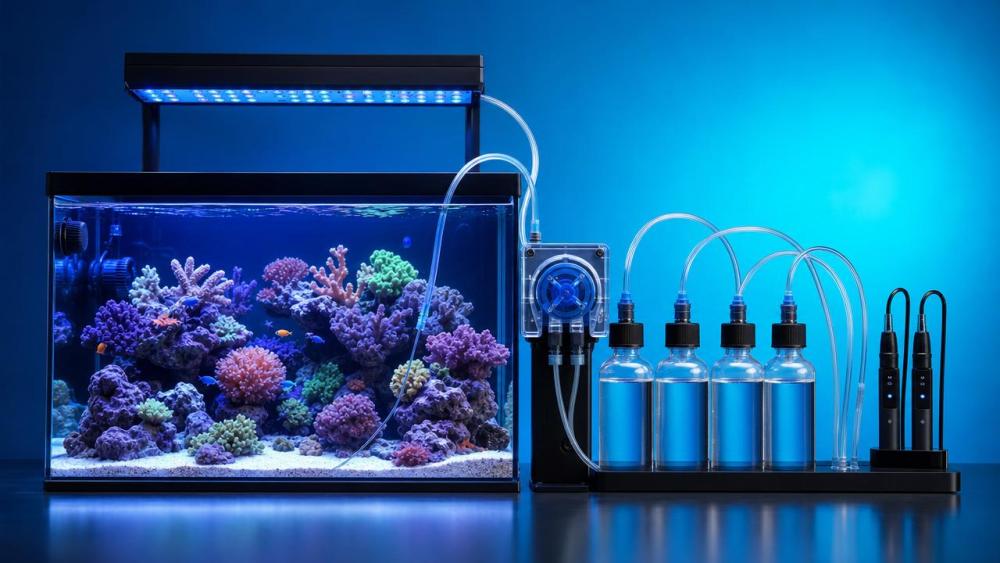
Dosing is often less visible than filtration, lighting, or display glass. Yet it shapes the chemical rhythm of every aquatic system.
When dosing is stable, corals calcify, fish recover, bacteria balance, and plants absorb nutrients predictably.
When dosing fails, symptoms appear slowly, then escalate quickly. Tissue loss, algae blooms, ammonia spikes, and medication errors become expensive events.
That is why precision aquarium equipment should be evaluated as infrastructure, not as an accessory attached after commissioning.
Basic definition of dosing precision
In aquatic operations, dosing precision means delivering a defined liquid volume at a defined time, under defined environmental conditions.
It also means maintaining that performance despite head pressure, tube aging, solution viscosity, evaporation, and power interruptions.
Precision aquarium equipment includes dosing pumps, calibration tools, sensors, controllers, reservoirs, check valves, and alarm systems.
The goal is not only small-volume accuracy. The goal is repeatability across weeks, seasons, and maintenance cycles.
A pump that delivers correctly once may still be unsuitable. A system must remain reliable during routine biological and mechanical variation.
Why dosing is different from general circulation
Circulation moves water continuously. Dosing changes chemistry directly, often in concentrated form and within narrow biological tolerance limits.
A circulation pump error may reduce comfort. A dosing error may alter alkalinity, copper concentration, nitrate, phosphate, or medication strength.
This is where precision aquarium equipment becomes central to operational safety and long-term livestock performance.
Industry background and current attention points
Modern aquatic systems are becoming smaller, denser, smarter, and more valuable. Their biological margin for error is shrinking.
Commercial aquariums operate large artificial oceans. Reef systems maintain sensitive SPS corals. Exotic breeding projects protect rare genetic lines.
Across these environments, precision aquarium equipment supports stable chemistry when natural dilution is unavailable.
The direction is clear. Aquatic engineering is moving from reactive adjustment toward continuous chemical governance.
In this shift, precision aquarium equipment helps connect laboratory discipline with live ecosystem management.
Business value of accurate dosing control
Accurate dosing protects biological assets first. It also protects labor planning, maintenance budgets, public display quality, and project credibility.
For reef environments, stable alkalinity supports skeletal growth and color expression. Sudden swings can damage coral tissue within hours.
For fish quarantine, medication concentration must be controlled. Underdosing may fail treatment, while overdosing can stress gills and kidneys.
For planted aquascapes, nutrient dosing affects growth form, algae pressure, and visual consistency under high-intensity lighting.
In each case, precision aquarium equipment converts a fragile manual task into a measurable process.
Operational benefits that compound over time
- More stable alkalinity, calcium, magnesium, nutrients, and trace elements.
- Lower risk of livestock loss during weekends, holidays, or staff transitions.
- Clearer maintenance records for troubleshooting and compliance-style review.
- Reduced chemical waste through smaller, more frequent dosing events.
- Better alignment between lighting intensity, feeding load, and biological demand.
These benefits are rarely dramatic on day one. They become visible through fewer emergencies and steadier growth curves.
Typical dosing scenarios and equipment priorities
Different aquatic systems need different dosing strategies. A single pump specification cannot define the best solution.
Selection should match chemistry risk, livestock sensitivity, water volume, and the required response speed.
The most suitable precision aquarium equipment is therefore not always the most powerful device.
It is the device that delivers the required chemistry with the least uncertainty in its actual operating environment.
Key selection factors for reliable dosing systems
A strong dosing design begins with the liquid, not the pump. Different solutions behave differently under tubing, pressure, and temperature changes.
Alkalinity solutions may crystallize. Trace blends may separate. Medication may degrade under light or bind to tubing surfaces.
Precision aquarium equipment must be selected with those practical details in mind.
Core technical checks
- Verify minimum dosing volume, not only maximum rated flow.
- Check calibration stability after tube wear and pump head aging.
- Confirm chemical compatibility for tubing, rollers, seals, and connectors.
- Use check valves where back-siphon risk could change delivery volume.
- Separate incompatible chemicals to prevent precipitation inside dosing lines.
- Review controller logs for missed events, manual overrides, and alarm patterns.
Calibration should be treated as a recurring procedure. A one-time setup cannot guarantee accuracy after months of operation.
Good precision aquarium equipment makes recalibration simple, documented, and visible to everyone responsible for system health.
Integration with sensors, lighting, and filtration
Dosing does not work alone. It interacts continuously with filtration capacity, feeding, photosynthesis, respiration, and evaporation.
In coral systems, blue-violet LED intensity can increase calcification demand. Alkalinity and calcium consumption may rise accordingly.
In planted aquascapes, stronger light and CO2 injection increase nutrient uptake. Poor dosing balance can trigger algae competition.
In commercial LSS, skimmers, biofilters, ozone, and water changes affect how additives disperse and remain active.
For these reasons, precision aquarium equipment should communicate with monitoring data wherever practical.
Data relationships that matter
- pH trends can reveal excessive alkalinity dosing or poor gas exchange.
- Conductivity changes may indicate salinity drift or additive accumulation.
- ORP shifts can influence treatment timing and oxidizer safety.
- Temperature affects oxygen demand, metabolism, and solution viscosity.
- Flow patterns determine whether concentrated additives disperse safely.
Integrated precision aquarium equipment reduces guesswork. It turns dosing from a timer-based routine into controlled ecosystem management.
Practical safeguards for daily operation
Even advanced equipment needs practical safeguards. Most failures begin with simple issues that remain unnoticed too long.
Empty reservoirs, clogged lines, air bubbles, loose fittings, and incorrect program values can defeat expensive automation.
The following habits make precision aquarium equipment more dependable in real conditions.
- Label every reservoir, line, pump head, and dosing outlet clearly.
- Use graduated containers to verify actual output during calibration.
- Dose into high-flow areas, away from livestock and sensitive tissue.
- Avoid dosing reactive chemicals at the same time or location.
- Set maximum daily dose limits to reduce damage from programming errors.
- Keep spare tubing, pump heads, fittings, and check valves available.
- Review logs after maintenance, outages, and water chemistry corrections.
A dosing system should fail visibly, not silently. Alarms and inspection points are as important as pump precision.
Reliable precision aquarium equipment combines mechanical accuracy with human-readable status and practical service access.
Risk management and lifecycle planning
Dosing risk should be considered during design, procurement, commissioning, and routine review.
A low-cost device may seem acceptable until one failure affects rare coral colonies, quarantine outcomes, or breeding stock.
Lifecycle cost includes replacement parts, calibration labor, emergency response, livestock exposure, and downtime.
Precision aquarium equipment with documented stability can reduce hidden costs that never appear on the initial purchase line.
Commissioning checklist
- Define target parameters and acceptable daily variation.
- Map each additive to a dosing channel and reservoir.
- Test output under installed head pressure and tubing length.
- Record baseline consumption before enabling aggressive automation.
- Create alarm thresholds for missed doses and abnormal chemistry shifts.
- Schedule tube replacement before performance degradation becomes visible.
This approach gives precision aquarium equipment a defined role inside the wider life support strategy.
Action guidance for stronger dosing decisions
Start by identifying which chemical variables create the highest biological or commercial risk.
Then match each variable to dosing frequency, acceptable tolerance, monitoring method, and required fail-safe.
Do not evaluate precision aquarium equipment only by channel count or app features. Confirm actual delivery performance and serviceability.
For established systems, compare dosing logs with water test trends. Adjust schedules based on consumption, not assumptions.
For new projects, include calibration access, reservoir placement, cable routing, and emergency isolation in the design stage.
The next step is practical: audit current dosing points, document failure risks, and prioritize upgrades where chemistry swings are most damaging.
When fragile ecosystems depend on engineered consistency, precision aquarium equipment becomes the quiet foundation of dosing success.
Related News
- Commercial Aquarium Life Support Systems: Sizing for Peak BioloadsOct 26, 2026Size commercial aquarium life support systems for peak bioloads. Learn how to match filtration, oxygen, flow, and backup capacity to real demands—and compare suppliers with confidence.
- Sizing Commercial Aquarium Life Support Systems in Canada for Peak BioloadOct 23, 2026Size commercial life support systems Canada-wide for peak bioload. Discover how to align biofiltration, oxygen delivery and backup capacity for reliable aquarium operation.
- Riparium Tank Lighting: Choosing LEDs for Emersed and Aquatic PlantsOct 20, 2026Riparium tank lighting made simple: learn how to choose LEDs that support emersed and aquatic plants, balance coverage, and avoid costly mistakes. Find the right setup for your tank.
- Reef Tank Alkalinity Control: Testing and Dosing to Prevent dKH SwingsOct 14, 2026Explore alkalinity control reef tank strategies to prevent dKH swings. Learn accurate testing, daily consumption tracking, and precise dosing to keep your reef stable and thriving.
Related Industries
Trending in Tech
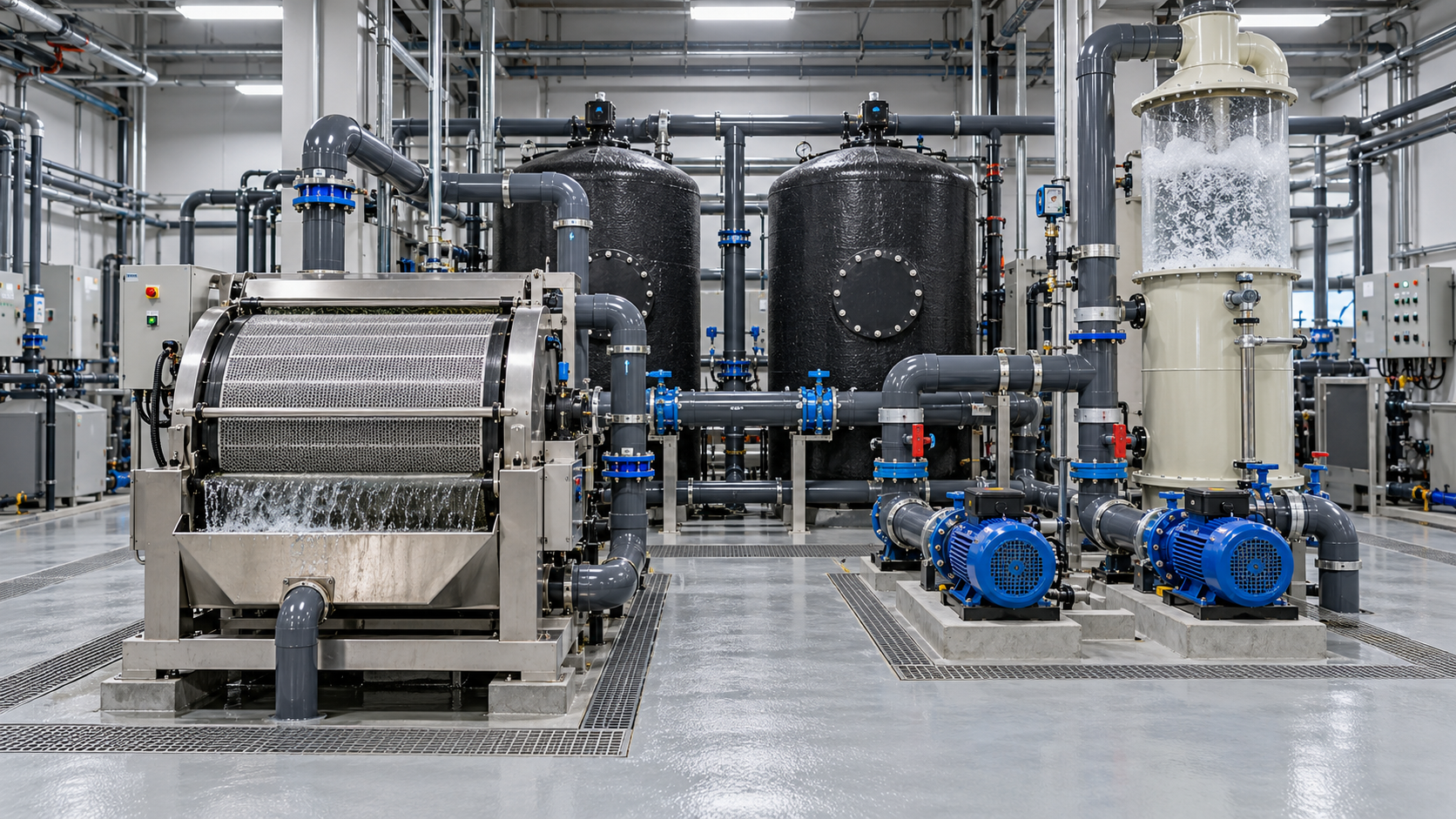
 Commercial Aquarium Life Support Systems: Sizing for Peak BioloadsOct 26, 2026Size commercial aquarium life support systems for peak bioloads. Learn how to match filtration, oxygen, flow, and backup capacity to real demands—and compare suppliers with confidence.
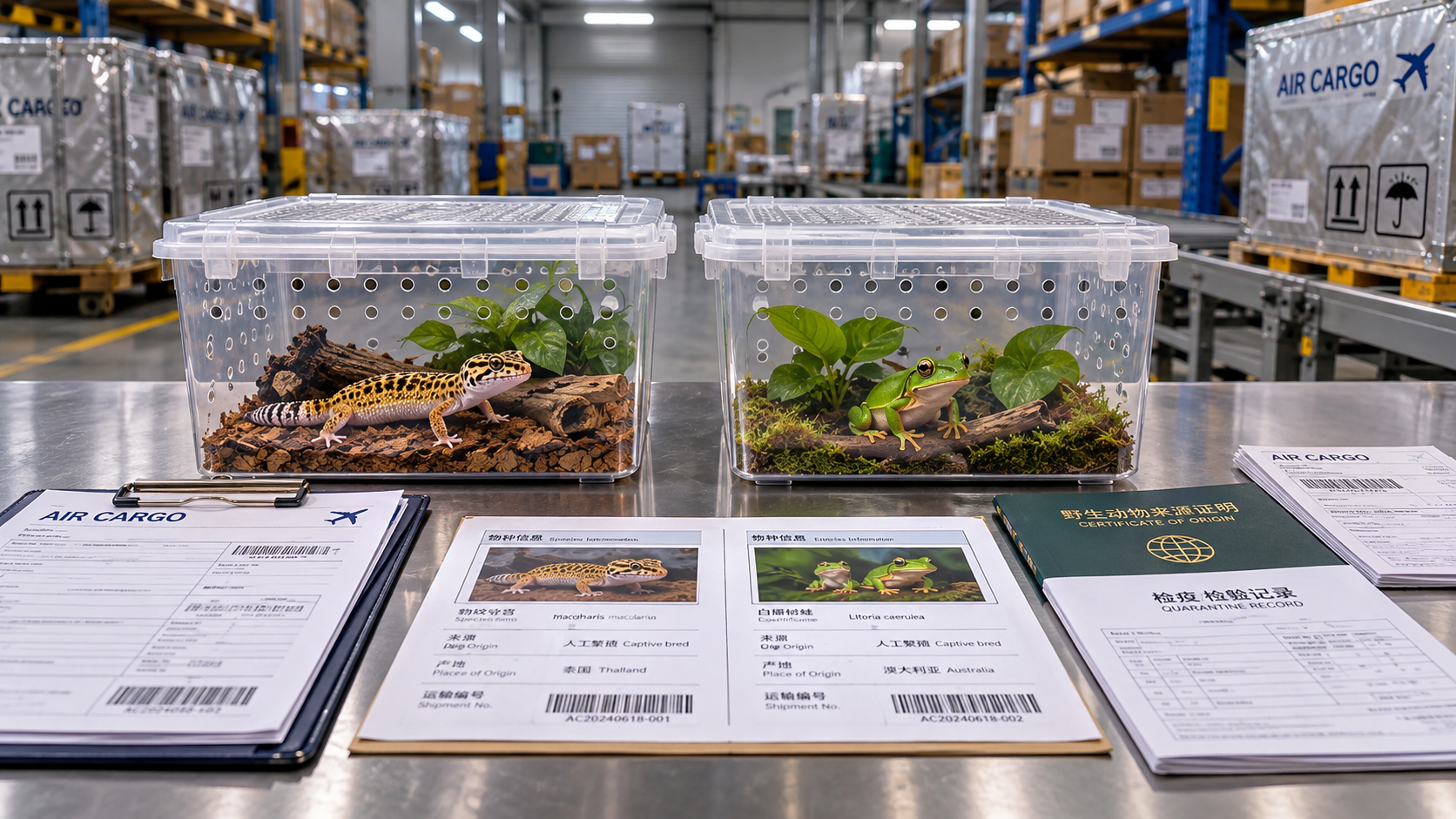
 Legal Gaps Expose Global Wildlife Supply Chains to Illegal Pet Trade RisksOct 26, 2026Wildlife supply chain gaps expose reptile and amphibian trade to illegal pet trafficking. Explore CITES compliance risks and practical checks to help protect your business.
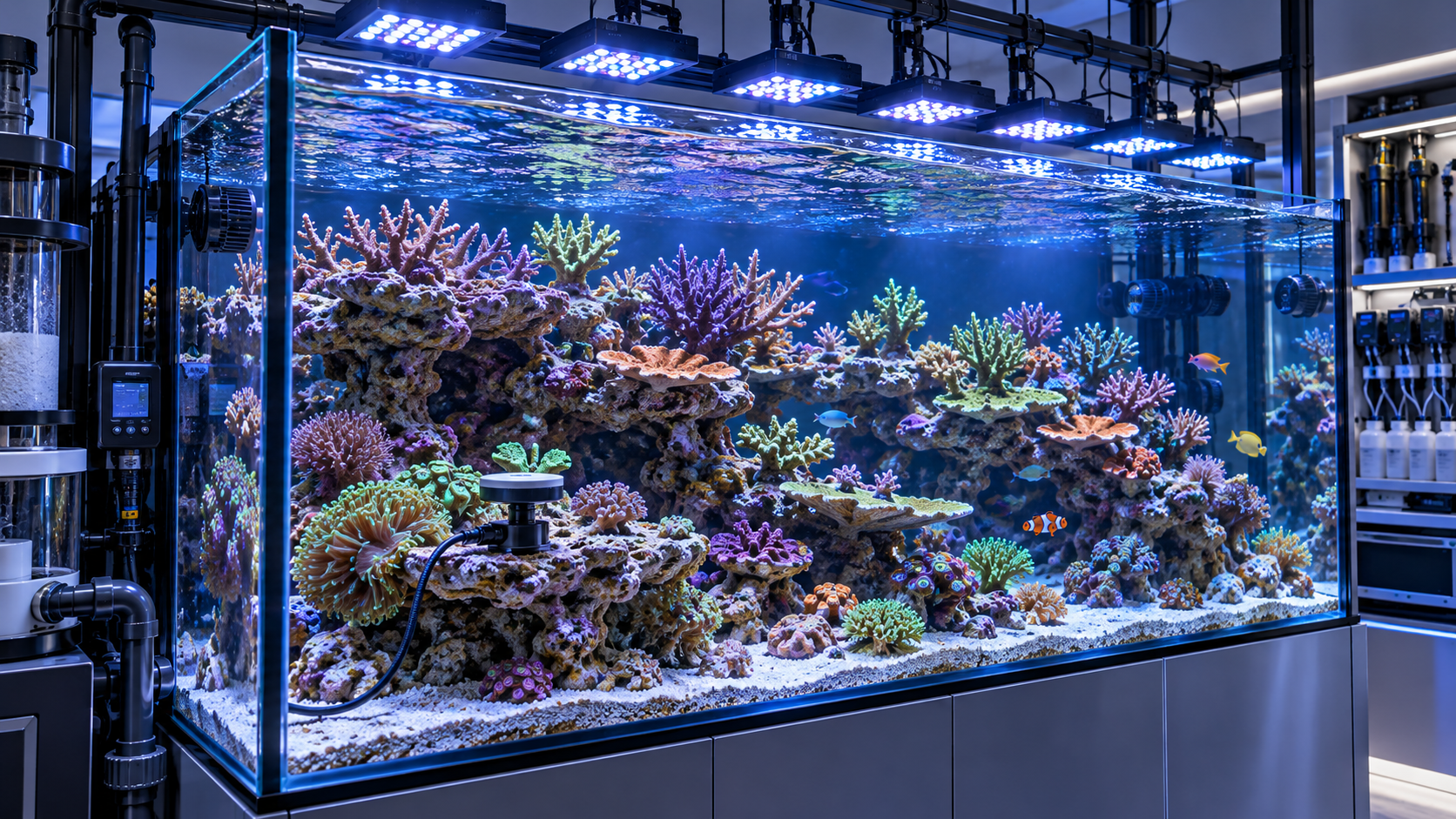
 Commercial Aquarium LED Lighting: Evaluating PAR and Coverage in Deep Reef TanksOct 25, 2026Compare commercial aquarium LED lighting with depth-specific PAR maps, spectrum, and coverage data. Discover how to reduce hotspots and choose the right layout for deep reef tanks.
Weekly Insights
Stay ahead with our curated technology reports delivered every Monday.