




Aquarium environmental control is no longer optional




Aquarium environmental control is no longer optional for organizations managing high-value aquatic and exotic life.
As commercial LSS, precision reef lighting, smart terrariums, and medical-grade incubators converge, climate and automation become core infrastructure.
In premium leisure and rare breeding markets, stable ecosystems protect assets, improve operations, and strengthen brand credibility.
Aquarium Environmental Control Defines Survival in High-Value Scenarios
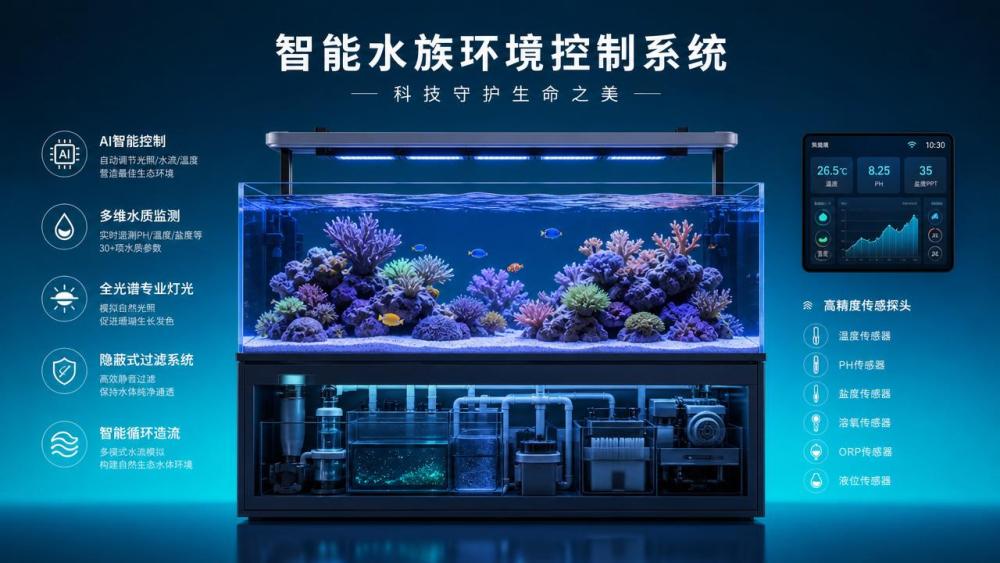
Aquarium environmental control now determines whether fragile aquatic systems remain beautiful, profitable, and biologically defensible.
The old model treated pumps, lights, heaters, and filters as separate accessories.
Modern operations must treat them as one connected environmental architecture.
A reef tank, public aquarium, breeding room, or exotic terrarium may look different.
Yet each depends on controlled water quality, heat, humidity, light spectrum, oxygen, and biological rhythm.
Aquarium environmental control becomes more critical as livestock value rises and tolerance windows shrink.
Scenario Judgment Starts with Risk, Not Equipment
Different environments demand different control logic.
A hotel lobby cylinder tank needs public-display reliability and invisible maintenance.
A coral grow-out system needs spectral accuracy and nutrient discipline.
A reptile room needs microclimate zoning, escape prevention, and humidity gradients.
A breeding incubator needs thermal repeatability measured in fractions of a degree.
Aquarium environmental control should therefore begin with scenario risk mapping.
The key question is simple.
Which parameter can cause biological loss, brand damage, or operational shutdown first?
Commercial Aquarium LSS Requires Industrial Discipline
Large aquarium systems operate like artificial oceans under glass.
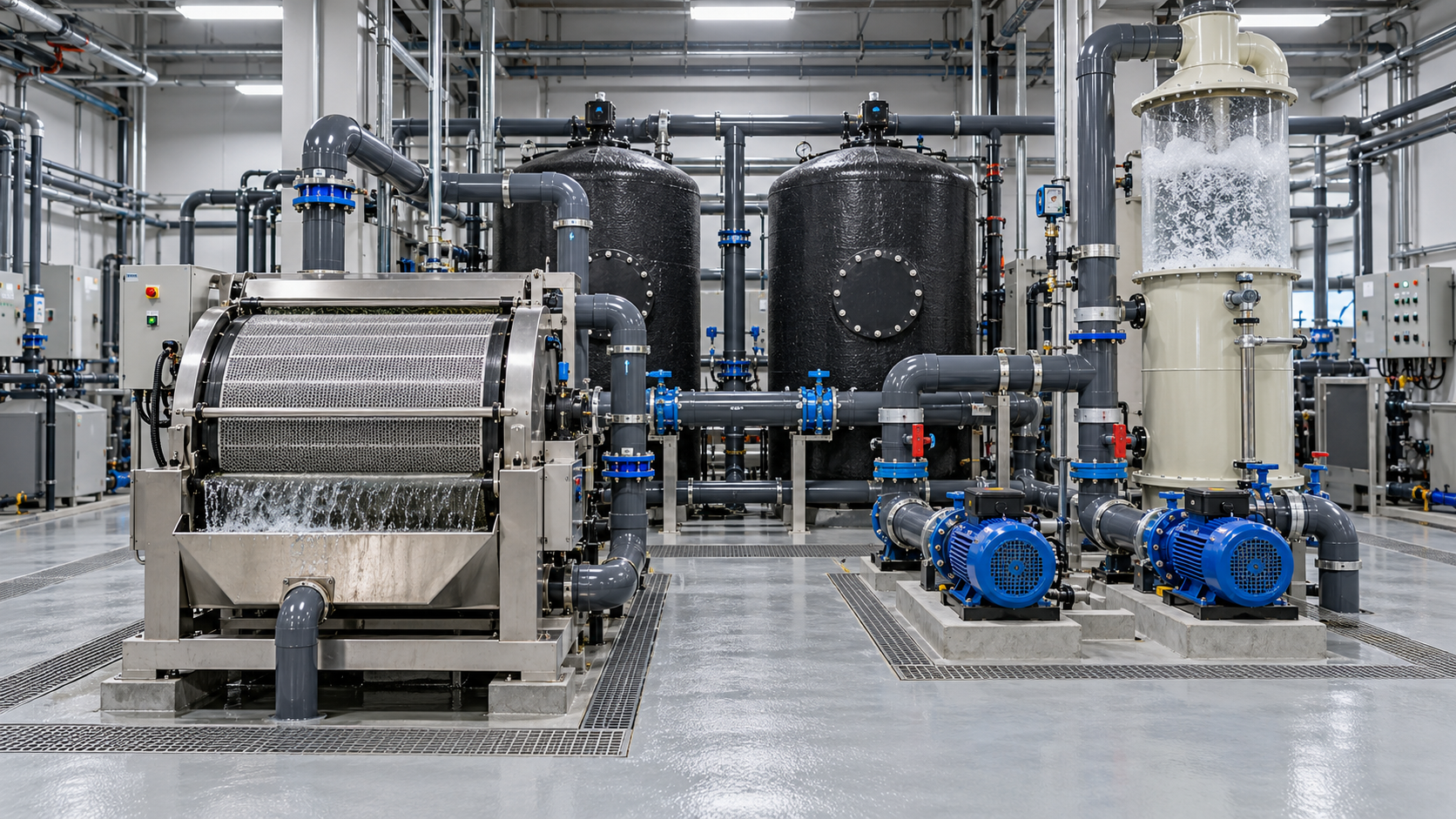
They rely on life support systems that function as artificial kidneys.
High-capacity pumps, protein skimmers, biological filters, and ozone systems must work continuously.
Here, aquarium environmental control focuses on ammonia conversion, oxygenation, turbidity, temperature, and redundancy.
Failure is rarely caused by one dramatic event.
It usually begins with small deviations that sensors missed or operators normalized.
The strongest scenario design includes backup circulation, alarm escalation, and service access.
For public displays, aquarium environmental control must also reduce noise, bubbles, odor, and visible equipment.
Reef and Coral Systems Depend on Spectrum, Flow, and Nutrients
Coral systems expose weak control strategies quickly.
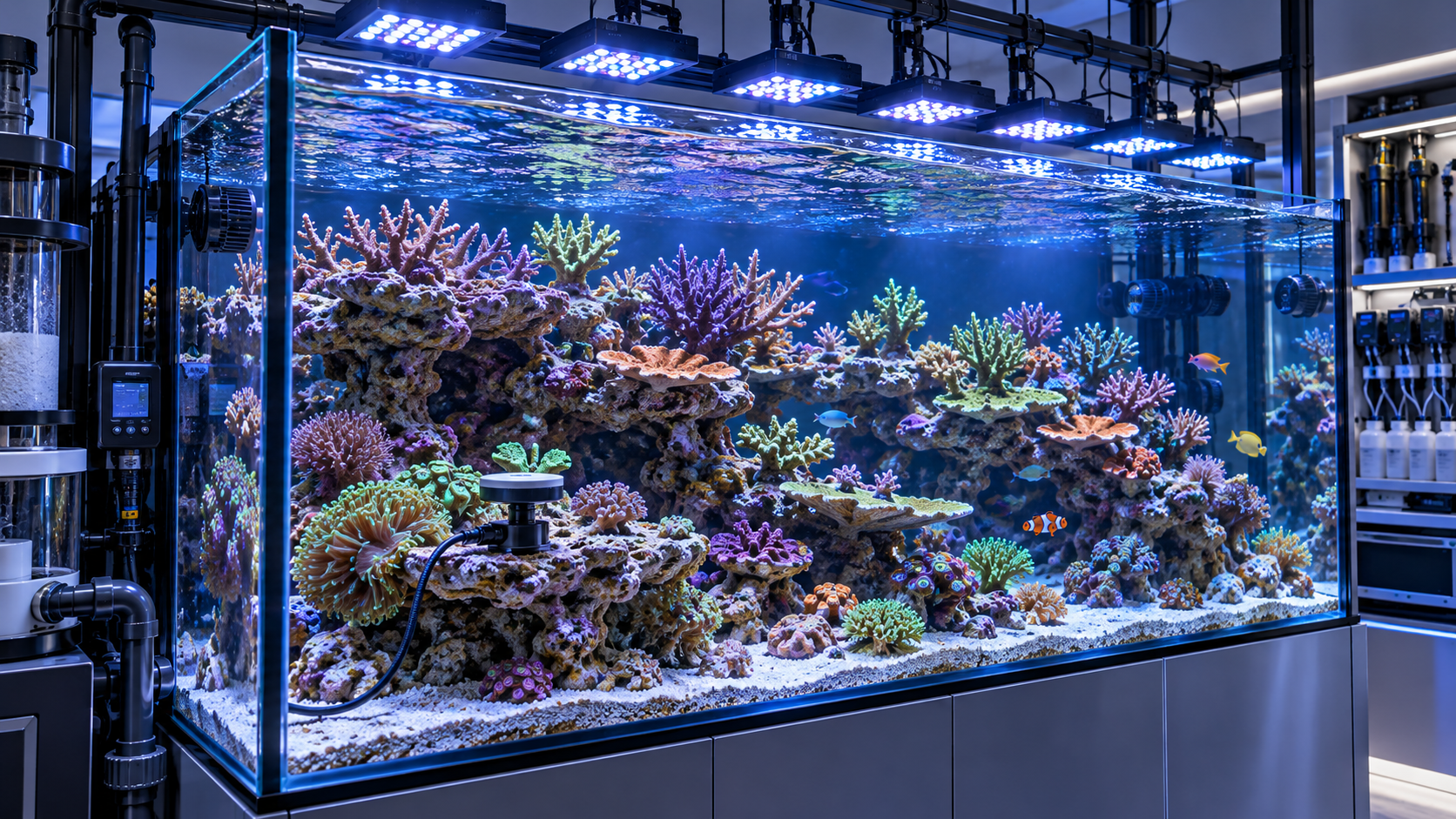
SPS corals respond to light spectrum, PAR stability, water flow, alkalinity, nitrate, and phosphate balance.
Aquarium environmental control in reef scenarios must combine photodynamics with fluid filtration physics.
Blue-violet channels around 420–460nm support coloration and photosynthetic behavior.
However, light alone cannot compensate for unstable chemistry.
The best reef environments use coordinated dosing, automated testing, wave patterns, and thermal stability.
Lunar simulation and storm programs may support spawning cues.
Yet they should only be applied after baseline aquarium environmental control is proven stable.
Smart Terrariums Need Microclimate Zoning, Not Simple Heating
Exotic pet enclosures are no longer plastic boxes with lamps.
Modern terrariums must reproduce climate behavior inside compact spaces.
Rainforest species may require morning humidity peaks and dry afternoon recovery.
Desert species may need strong basking gradients and low background moisture.
Although not always filled with water, these habitats benefit from aquarium environmental control thinking.
Sensors, foggers, ceramic heaters, ventilation fans, and UV lighting must operate as one system.
The priority is not one perfect temperature number.
The priority is a usable gradient that lets animals self-regulate safely.
Breeding Incubators Turn Environmental Accuracy into Yield
Rare eggs magnify every control weakness.
Ball pythons, parrots, turtles, and high-value morphs often require narrow temperature bands.
Medical-grade incubators use PID algorithms, forced air circulation, and calibrated probes.
In this scenario, aquarium environmental control extends into controlled reproduction infrastructure.
The main judgment points are uniformity, recovery speed, humidity retention, and alarm reliability.
A display tank can tolerate minor aesthetic variation.
An incubator cannot tolerate hidden hot spots or probe drift.
That is why validation logs are as important as hardware specifications.
Aquascaping Systems Require Invisible Stability
High-end aquascaping sells the illusion of untouched nature.
Ultra-clear glass, clean silicone seams, and floating visual lines create the stage.
Behind that stage, aquarium environmental control keeps plants, fish, and bacteria aligned.
CO2 injection, circulation, lighting duration, substrate nutrients, and filtration must be balanced.
Too much light without CO2 creates algae pressure.
Too much CO2 without oxygen awareness creates animal stress.
The best planted systems use gradual changes and visual indicators.
They prioritize repeatable routines over aggressive adjustment.
Different Scenarios Demand Different Control Priorities
This comparison shows why aquarium environmental control cannot be copied blindly between sites.
The right design depends on biological value, tolerance range, maintenance skill, and failure consequences.
Scenario Adaptation Should Follow a Clear Decision Path
A strong adaptation plan connects measurable risk with practical equipment choices.
- Define the most sensitive organism and its narrowest environmental tolerance.
- Identify the first parameter likely to fail under peak load.
- Select sensors based on decision value, not gadget appeal.
- Build redundancy around pumps, heaters, aeration, and alarms.
- Use logs to confirm stability before adding valuable livestock.
Aquarium environmental control should be commissioned in stages.
Water, air, light, and biological load must be tested before full operation.
This reduces expensive corrections after animals are already exposed.
Common Misjudgments Create Hidden Environmental Debt
The most common mistake is overbuying visible hardware while underinvesting in monitoring.
Bright lights and large pumps look impressive, but uncontrolled intensity creates instability.
Another mistake is trusting a single probe in a complex environment.
Temperature, oxygen, and humidity may vary across corners, depths, and flow zones.
Aquarium environmental control also fails when maintenance access is ignored.
A system that is hard to clean will eventually drift from design performance.
Alarm fatigue is another dangerous issue.
Alerts must be prioritized, actionable, and connected to real response procedures.
Operational Value Comes from Data, Automation, and Human Review
Automation does not remove responsibility.
It makes responsibility measurable.
Smart controllers can dose, dim, heat, cool, mist, and alarm with impressive precision.
Still, aquarium environmental control requires human review of trends and biological response.
A stable graph does not always mean a thriving ecosystem.
Feeding behavior, coral extension, plant pearling, shedding, respiration, and spawning cues matter.
The best operations combine sensor intelligence with disciplined observation.
That combination turns environmental control into a reliable operating culture.
A Practical Next Step for Better Aquarium Environmental Control
Begin with an environmental audit before purchasing new equipment.
List every critical parameter, current measurement method, acceptable range, and failure response.
Then compare actual performance against the needs of each scenario.
Prioritize upgrades that reduce mortality risk, maintenance uncertainty, and downtime exposure.
For public displays, start with LSS redundancy and alarm routing.
For reefs, verify spectrum, flow, alkalinity, and nutrient rhythm together.
For terrariums, map gradients rather than single readings.
For incubators, validate temperature uniformity before valuable eggs arrive.
Aquarium environmental control is now a strategic capability, not an optional upgrade.
When designed by scenario, it protects life, preserves investment, and supports premium experiences at scale.
Related News
- How to Specify an Automatic Misting Humidity System for Stable Terrarium HumiditySep 27, 2026Automatic misting humidity system selection guide: achieve stable terrarium humidity with precise nozzles, smart controls, water management, and reliable performance.
- How to Evaluate Cloud Remote Monitoring Systems for Multi-Site OperationsAug 18, 2026Cloud Remote Monitoring Systems for multi-site operations: learn how to compare data trust, alerts, permissions, and scalability to choose a platform that cuts risk and improves response.
- How to Choose Humidity Control Systems for a Terrarium Without Over-Misting?Aug 01, 2026Humidity control systems terrarium buyers can trust start with stable airflow, smart timing, and the right enclosure. Learn how to prevent over-misting, mold, and stress with a cleaner setup.
- Humidity Control Systems for Terrariums: Which Sensors and Output Range Matter Most?Jul 14, 2026Humidity Control Systems for terrariums: discover which sensors, output ranges, and control features deliver stable humidity, lower maintenance, and healthier habitats.
Related Industries
Trending in Tech
 Commercial Aquarium Life Support Systems: Sizing for Peak BioloadsOct 26, 2026Size commercial aquarium life support systems for peak bioloads. Learn how to match filtration, oxygen, flow, and backup capacity to real demands—and compare suppliers with confidence.
 Legal Gaps Expose Global Wildlife Supply Chains to Illegal Pet Trade RisksOct 26, 2026Wildlife supply chain gaps expose reptile and amphibian trade to illegal pet trafficking. Explore CITES compliance risks and practical checks to help protect your business.
 Commercial Aquarium LED Lighting: Evaluating PAR and Coverage in Deep Reef TanksOct 25, 2026Compare commercial aquarium LED lighting with depth-specific PAR maps, spectrum, and coverage data. Discover how to reduce hotspots and choose the right layout for deep reef tanks.
Weekly Insights
Stay ahead with our curated technology reports delivered every Monday.