




How smart aquarium technology reduces daily care risks




Daily aquarium care can fail in small, costly ways: a missed temperature swing, unstable filtration, poor oxygenation, or lighting that stresses sensitive livestock. Smart aquarium technology helps operators reduce these risks by turning routine monitoring into continuous, data-driven control. From automated dosing and sensor-based alerts to intelligent lighting and life support integration, connected systems give users faster visibility, tighter stability, and more confidence when managing delicate aquatic environments.
Where smart aquarium technology reduces the highest daily care risks
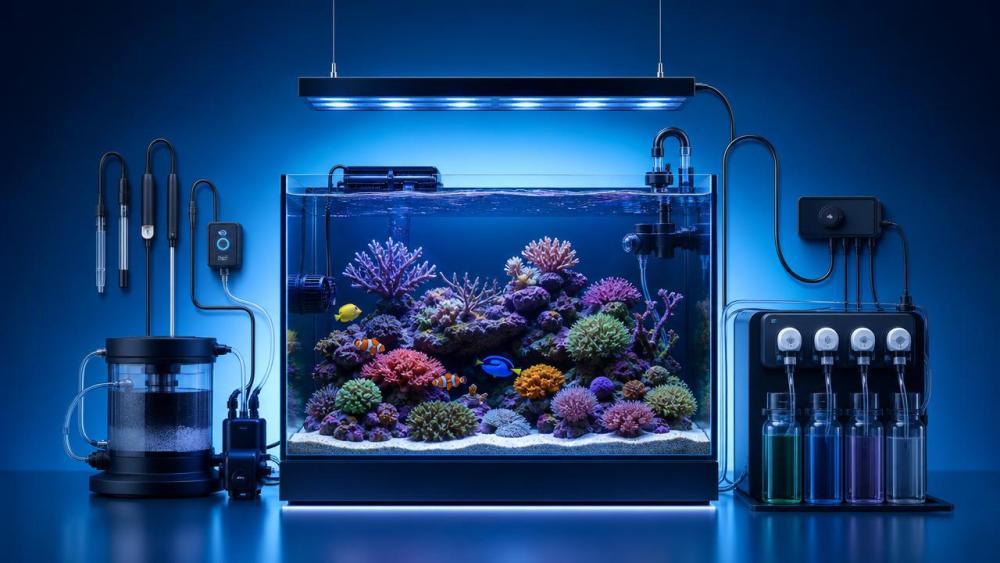
For operators, the main problem is not lack of attention. It is limited visibility between manual checks. Water chemistry, temperature, dissolved oxygen, flow, and light intensity can drift while staff are away.
Smart aquarium technology closes that gap by using probes, controllers, dosing pumps, cloud dashboards, and alarm logic. The result is not “hands-free care,” but controlled intervention before minor instability becomes livestock loss.
The daily failure points most operators underestimate
- Temperature drift can occur after heater failure, chiller delay, blocked airflow, or room HVAC changes, especially in coral systems and breeding displays.
- Filtration instability can follow pump clogging, skimmer overflow, bio-load spikes, or delayed maintenance in commercial life support systems.
- Lighting errors may create excessive photoperiod, spectral mismatch, or sudden intensity changes that stress SPS corals and photosynthetic organisms.
- Manual dosing mistakes can push alkalinity, calcium, magnesium, pH, or nutrients outside the preferred operating range.
AEPS examines these risks through the lens of artificial climate control: fluid filtration physics, non-linear photodynamics, connected sensing, and the practical workload faced by daily operators.
How connected monitoring changes routine aquarium operation
Traditional aquarium operation depends on fixed schedules: test water, observe livestock, clean equipment, adjust settings, then repeat. That model works until a fault develops between inspections.
Smart aquarium technology introduces continuous condition awareness. Sensors do not replace judgment, but they make changes visible earlier and create a record operators can review.
The key value is risk compression. Smart aquarium technology reduces the time between abnormal condition and operator action, which is often the difference between correction and emergency recovery.
Which systems benefit most from smart aquarium technology?
Not every aquarium needs the same level of automation. A simple freshwater display may need temperature alerts and lighting control, while a coral farm requires deeper integration.
AEPS typically evaluates smart aquarium technology according to system value, biological sensitivity, operating hours, and the cost of a delayed response.
High-sensitivity use cases
- Commercial aquarium LSS installations, where pumps, skimmers, biological filtration, and oxygenation must sustain large volumes around the clock.
- SPS reef aquariums, where lighting spectrum, alkalinity, nutrient balance, and flow turbulence need narrow operating control.
- High-end aquascaping systems, where CO2 injection, circulation, nutrient dosing, and photoperiod determine plant form and algae pressure.
- Breeding and quarantine systems, where temperature variation, disease risk, and water quality instability can affect survival rates.
This does not mean operators should automate everything immediately. The better approach is to rank risks, then automate the conditions most likely to cause irreversible damage.
What parameters should operators monitor first?
A practical deployment starts with measurable parameters. Smart aquarium technology becomes useful when sensors are selected for real biological consequences, not because dashboards look impressive.
The following table gives a procurement-oriented view for users comparing controller features, probe requirements, and daily operational value.
Parameter selection should follow risk severity. If a single failure could kill livestock overnight, that parameter deserves alerts, redundancy, and manual override access.
Manual care, partial automation, or full LSS integration?
Operators often struggle with budget and scope. The best system is not always the most complex one; it is the one that matches risk, staffing, and maintenance discipline.
Smart aquarium technology can be deployed in layers, from simple alerting to integrated life support control across pumps, skimmers, lighting, dosing, and emergency circuits.
Partial automation is often the most efficient starting point. It gives operators temperature, pH, salinity, water level, and lighting visibility without overcomplicating routine care.
Buying criteria: what should operators verify before ordering?
Procurement mistakes usually come from comparing devices by feature count rather than operational fit. Smart aquarium technology must survive humidity, salt creep, staff turnover, and imperfect maintenance.
Before purchasing, operators should confirm not only what the equipment can measure, but how it behaves when data is wrong, power fails, or network access is interrupted.
A practical selection checklist
- Confirm biological priorities first, such as coral stability, fish health, plant growth, breeding success, or commercial holding security.
- Check probe compatibility, calibration process, replacement interval, and whether consumables are available in your region.
- Review alarm options, including mobile alerts, local audible alarms, escalation rules, and offline behavior during network failure.
- Assess electrical safety, drip loops, power distribution, relay load ratings, and suitability for humid or saltwater environments.
- Ask whether the system supports manual override, exportable logs, firmware updates, and clear operator permissions.
For commercial or high-value systems, basic references to IEC electrical safety principles, ingress protection awareness, and safe low-voltage control design are useful during specification review.
Implementation workflow for lower-risk deployment
Even excellent equipment can create problems if installed too quickly. A staged workflow helps operators verify data, avoid false confidence, and keep manual care routines active.
Smart aquarium technology should be introduced as a control layer, not as an excuse to stop observing livestock behavior, equipment noise, algae changes, or feeding response.
Recommended commissioning sequence
- Map the system: tank volume, sump layout, return pump path, skimmer position, dosing points, lighting zones, and emergency overflow routes.
- Install sensors in stable water zones, away from microbubbles, heaters, dosing outlets, and surfaces where debris can collect.
- Run monitoring-only mode first, comparing readings with trusted test kits and independent thermometers for several days.
- Enable automation gradually, beginning with low-risk actions such as lighting ramps and alerts before dosing or pump shutdown rules.
- Document alarm thresholds, staff response steps, spare parts, calibration dates, and emergency contact responsibilities.
This workflow is especially important for reef, LSS, and aquascaping installations where one incorrect setting can trigger chemical instability or oxygen stress.
Common mistakes that reduce the value of smart aquarium technology
The biggest misconception is that automation removes risk. In reality, it changes the risk profile. Poor calibration, weak alarm settings, or bad sensor placement can mislead operators.
A reliable connected aquarium still needs cleaning, water testing, livestock observation, probe care, and periodic review of trend data.
Mistakes to avoid
- Setting alarm ranges too wide, so alerts arrive only after livestock has already entered visible stress.
- Allowing dosing pumps to operate without maximum daily limits, reservoir checks, or pH-based safety rules.
- Trusting one probe forever, instead of scheduling calibration, cleaning, and replacement based on manufacturer guidance.
- Ignoring power outage planning, battery backup, generator compatibility, or oxygenation during return pump failure.
Operators should treat smart aquarium technology as an early-warning and precision-control system. It supports skill; it does not replace it.
FAQ for operators evaluating connected aquarium systems
How much automation is enough for a reef aquarium?
Most reef operators should begin with temperature control, pH monitoring, salinity or water-level supervision, programmable lighting, and controlled dosing. SPS-heavy systems may justify additional alkalinity monitoring and stronger redundancy.
Can smart aquarium technology prevent all livestock losses?
No system can remove all risk. Disease, aggression, shipping stress, contamination, and operator error still matter. The value is earlier detection, better stability, and more consistent execution.
What should be checked during supplier comparison?
Compare probe quality, calibration needs, controller logic, app reliability, alarm delivery, service support, spare parts, documentation, electrical suitability, and whether the system matches your actual livestock risk.
Is connected control useful for freshwater aquascaping?
Yes, especially for CO2 injection, lighting schedules, temperature stability, and dosing consistency. Smart aquarium technology helps reduce algae-triggering swings and supports predictable plant growth routines.
Why choose AEPS for smarter aquatic system decisions?
AEPS focuses on the systems that keep fragile aquatic life stable: commercial LSS, coral optoelectronic lighting, smart terrarium climate control, breeding incubators, and high-end aquascaping equipment.
For operators, that means guidance beyond generic product descriptions. We help translate tank size, livestock sensitivity, filtration design, lighting requirements, and maintenance capacity into a practical specification.
What you can consult with us
- Parameter confirmation for temperature, pH, salinity, lighting spectrum, flow, dosing, and life support monitoring.
- Product selection support for reef tanks, commercial aquarium LSS, aquascaping systems, quarantine racks, and breeding environments.
- Custom solution discussion covering controller architecture, sensor placement, redundancy, alert logic, and maintenance workflow.
- Procurement communication on delivery cycle, sample support, documentation needs, certification expectations, and quotation comparison.
If your operation depends on delicate livestock, expensive displays, or consistent husbandry results, smart aquarium technology deserves careful planning. Contact AEPS to review your parameters, risks, and system options before committing to a configuration.
Related News
- Smart Terrarium Systems: Choosing Reliable Temperature and Humidity ControlOct 15, 2026Compare Smart Terrarium Systems for reliable temperature and humidity control. Discover compatible thermostats, sensor placement tips, and safety features to choose with confidence.
- Choosing a Ceramic Heating System for Stable Terrarium Temperature ZonesOct 07, 2026Terrarium ceramic heating system guide: create stable temperature zones with the right wattage, thermostat control, safe mounting, and habitat-specific setup tips.
- Choosing a Reptile Temperature Controller for Day-Night Heat CyclesOct 05, 2026Reptile temperature controller guide: compare thermostats, probe placement, and day-night heat cycles for a safer, stable terrarium.
- How to Specify Temperature Control for Automated Terrarium SystemsOct 04, 2026Automated terrarium systems temperature control: learn how to specify safe, stable thermal zones, sensors, PID logic, and fault protection for reliable habitats.
Related Industries
Trending in Tech
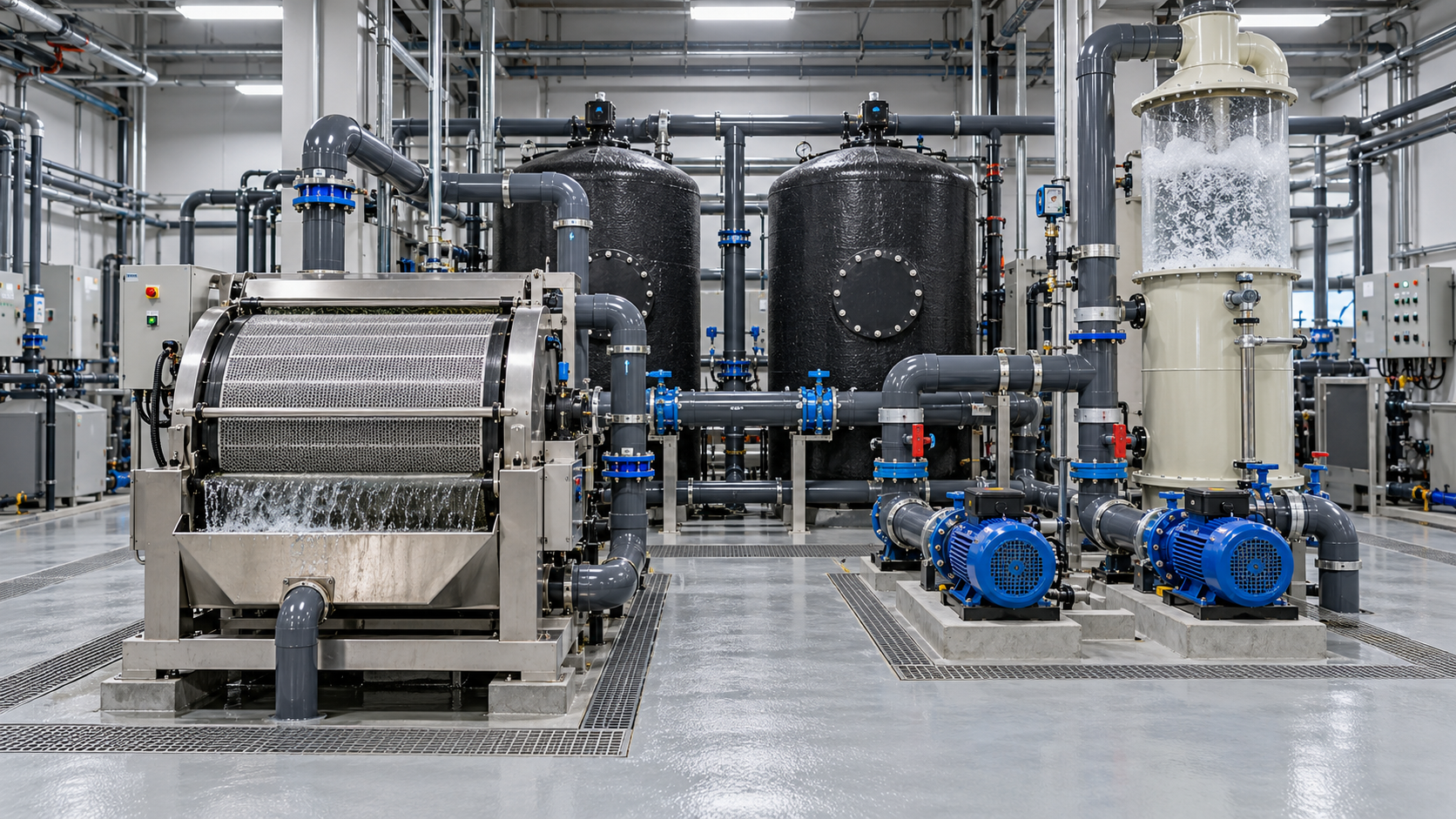
 Commercial Aquarium Life Support Systems: Sizing for Peak BioloadsOct 26, 2026Size commercial aquarium life support systems for peak bioloads. Learn how to match filtration, oxygen, flow, and backup capacity to real demands—and compare suppliers with confidence.
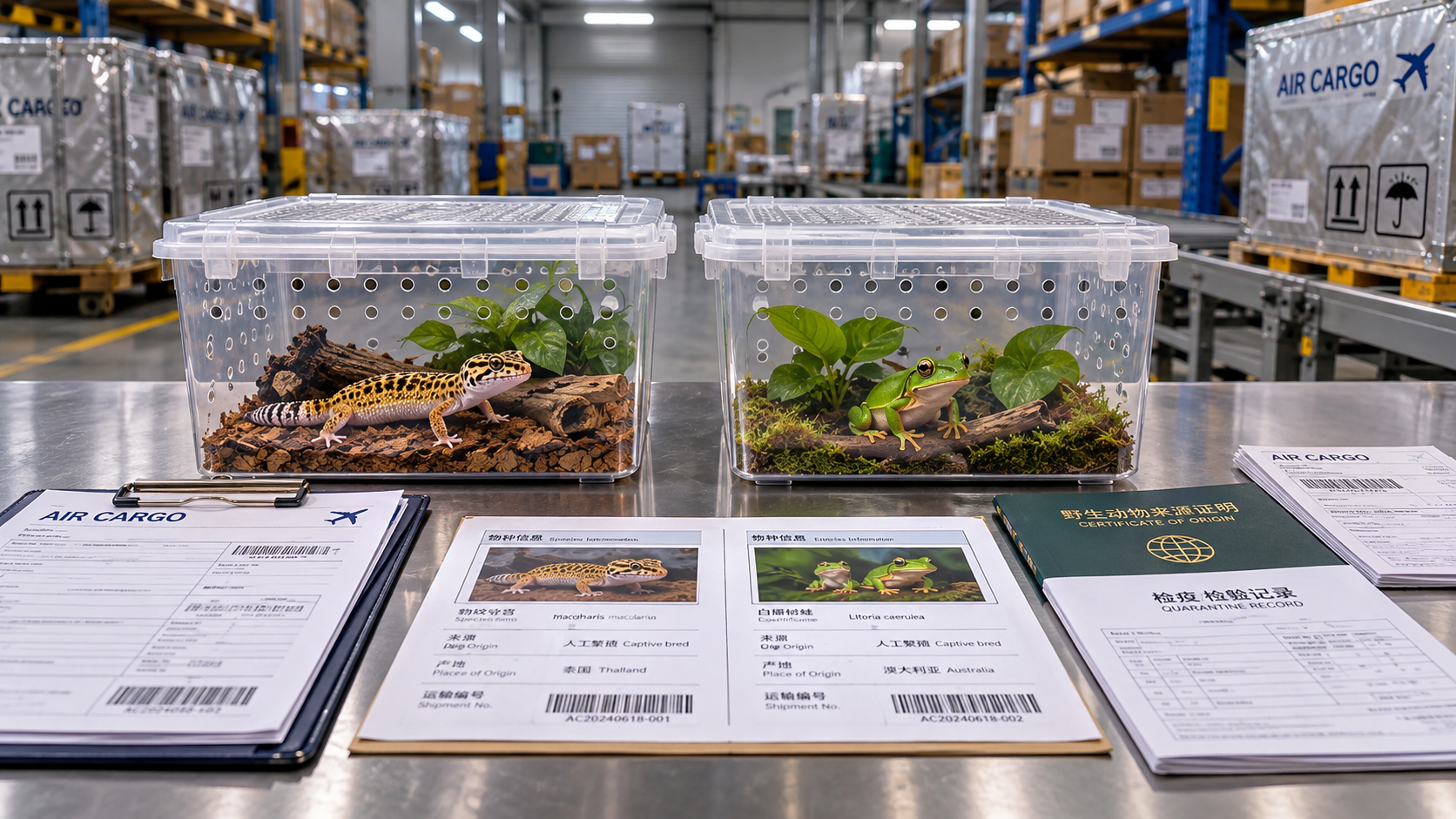
 Legal Gaps Expose Global Wildlife Supply Chains to Illegal Pet Trade RisksOct 26, 2026Wildlife supply chain gaps expose reptile and amphibian trade to illegal pet trafficking. Explore CITES compliance risks and practical checks to help protect your business.
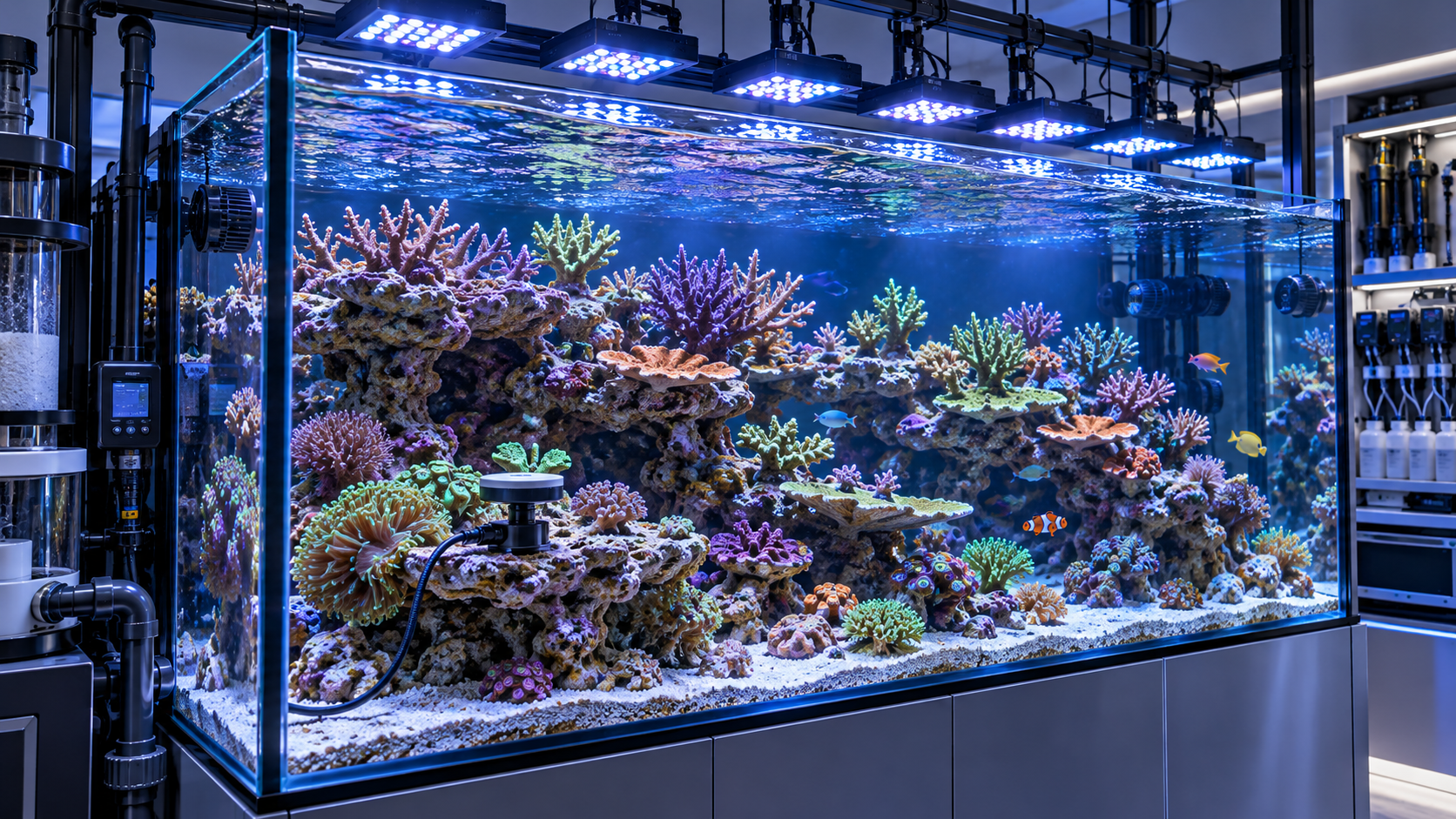
 Commercial Aquarium LED Lighting: Evaluating PAR and Coverage in Deep Reef TanksOct 25, 2026Compare commercial aquarium LED lighting with depth-specific PAR maps, spectrum, and coverage data. Discover how to reduce hotspots and choose the right layout for deep reef tanks.
Weekly Insights
Stay ahead with our curated technology reports delivered every Monday.