




Smart aquarium monitoring can catch problems early




A thriving aquarium can change quickly when temperature, pH, oxygen, or filtration drift out of range. Smart aquarium monitoring gives everyday hobbyists an early warning system, turning hidden water-quality changes into clear alerts before fish, corals, or delicate aquascapes show stress.
From connected probes to app-based trend tracking, this technology helps protect fragile aquatic life, reduce guesswork, and make high-end aquarium care more confident, consistent, and enjoyable.
Smart Aquarium Monitoring Can Catch Problems Early
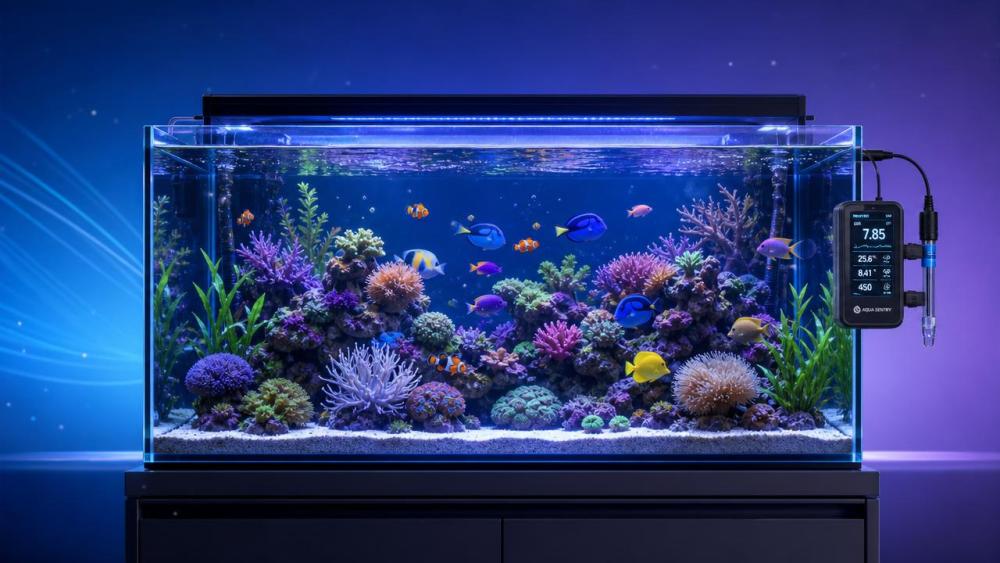
Modern aquariums are miniature climate systems. Pumps, lights, heaters, skimmers, dosing units, and livestock all interact inside limited water volume.
Smart aquarium monitoring makes these interactions visible. It tracks conditions continuously, not only when someone remembers to test manually.
This matters because fish, corals, shrimp, and planted layouts often hide stress until the problem is already advanced.
A small heater fault, clogged filter, or dosing error can become dangerous overnight. Smart aquarium monitoring reduces that blind spot.
Why a Checklist Matters for Aquarium Stability
Aquarium problems rarely arrive as one dramatic event. They usually build from several small shifts happening together.
Temperature rises slightly. Oxygen drops after lights out. pH slides downward. A return pump loses flow.
Without a checklist, these clues stay disconnected. Smart aquarium monitoring connects the data and helps show cause, timing, and urgency.
A checklist also prevents overreaction. Instead of changing everything, review the most likely failure points first.
For reef systems, exotic aquatic displays, and premium planted tanks, consistency is often more important than chasing perfect numbers.
Core Smart Aquarium Monitoring Checklist
Use this checklist to build a practical early-warning system. Adjust thresholds for freshwater, marine, reef, or aquascaping goals.
- Measure temperature continuously, then set high and low alerts that reflect livestock tolerance, seasonal room changes, and heater recovery speed.
- Track pH trends daily, especially before lights turn on and after lights turn off, when biological activity changes most visibly.
- Monitor dissolved oxygen where stocking density, warm water, heavy feeding, or night respiration could create sudden stress conditions.
- Watch salinity in marine tanks, because evaporation, top-off failure, or mixing mistakes can disturb corals and invertebrates quickly.
- Check water level sensors near sumps, overflow boxes, and auto top-off reservoirs to detect leaks, blockages, or pump problems early.
- Log ammonia risk after new livestock, filter cleaning, medication, or power loss, when biological filtration may temporarily weaken.
- Review nitrate and phosphate patterns weekly, then compare them with feeding volume, plant growth, algae pressure, and export capacity.
- Confirm return pump flow using controller data, visual surface movement, or flow sensors before livestock show oxygen stress.
- Calibrate probes on schedule, because smart aquarium monitoring only works when sensors are clean, stable, and correctly referenced.
- Set notification levels carefully, using warning alerts for trends and critical alerts for conditions needing immediate intervention.
Sensor Priorities for Different Aquarium Setups
Freshwater Community Tanks
Freshwater systems benefit from simple smart aquarium monitoring focused on temperature, pH trend, filter operation, and water level.
These tanks often face heater failures, overfeeding, and neglected maintenance. Alerts encourage action before fish gasp or become inactive.
Reef and Coral Systems
Reef aquariums need tighter control. Corals react strongly to salinity, alkalinity drift, lighting schedules, temperature, and nutrient imbalance.
Smart aquarium monitoring becomes especially valuable when connected to dosing pumps, protein skimmers, wavemakers, and LED lighting programs.
Trend history helps distinguish normal coral behavior from hidden instability caused by equipment, chemistry, or photoperiod changes.
Planted Aquascapes
Planted tanks depend on balance between light, CO2, nutrients, and circulation. Small timing errors can trigger algae quickly.
Smart aquarium monitoring helps compare CO2 injection, pH movement, temperature, and lighting intensity against plant response.
For high-end aquascaping, stable monitoring protects delicate carpeting plants, shrimp colonies, and carefully maintained visual layouts.
Large Commercial or Display Aquariums
Large systems hide problems because water volume delays visible symptoms. Equipment rooms may contain pumps, skimmers, chillers, and reactors.
In these environments, smart aquarium monitoring supports life support systems by tracking failure signals across multiple connected components.
Remote dashboards also help compare tank zones, sump behavior, and maintenance impact without relying only on manual rounds.
Warning Signs Smart Aquarium Monitoring Should Catch
- Identify slow temperature creep, because a weakening chiller, blocked ventilation, or oversized lighting schedule can heat water gradually.
- Detect sudden pH drops after CO2 equipment sticks open, alkalinity declines, or biological load exceeds the tank’s buffering ability.
- Flag oxygen decline at night, when plants, corals, bacteria, and fish consume oxygen while photosynthesis is inactive.
- Notice salinity spikes when evaporation increases and the auto top-off unit fails, empties, or becomes blocked by deposits.
- Report pump inactivity before stagnant water causes low oxygen, temperature layers, debris buildup, or sump overflow risk.
- Compare nutrient trends with feeding habits, because rising nitrate and phosphate often reveal hidden detritus or inadequate export.
Commonly Missed Risks in Connected Aquarium Care
Dirty Probes Give False Confidence
Biofilm, salt creep, algae, and mineral deposits can make readings drift. Clean and calibrate before trusting unusual numbers.
Smart aquarium monitoring is strongest when paired with scheduled maintenance and occasional manual test confirmation.
Too Many Alerts Create Alarm Fatigue
If every minor movement creates a notification, important warnings may get ignored. Use tiered alerts instead.
Set advisory messages for mild drift, urgent alerts for dangerous limits, and emergency alarms for equipment failure.
Automation Can Hide Root Causes
A controller may compensate for a problem temporarily. For example, heaters may work harder when room temperature drops.
Smart aquarium monitoring should reveal increased equipment effort, not only final water conditions.
Power and Network Failures Still Matter
Connected systems need backup planning. A router outage can silence cloud alerts while the aquarium still changes.
Use battery backups, local alarms, and manual emergency plans for pumps, heaters, and aeration.
How to Set Practical Alert Thresholds
Start with the real needs of the livestock, not generic numbers. Discus, goldfish, SPS corals, and shrimp tolerate different ranges.
Then observe normal daily movement for one to two weeks. Smart aquarium monitoring becomes more accurate after baseline behavior is understood.
- Set temperature warnings slightly outside normal daily swing, then set critical alerts near the livestock’s true danger zone.
- Use pH trend alerts instead of chasing every decimal movement, especially in planted tanks with CO2 injection.
- Create water-level alerts for both high and low conditions, because overflow and dry-running pumps are both serious.
- Review alerts after maintenance, since water changes, cleaning, and dosing can temporarily create harmless but visible shifts.
Daily, Weekly, and Monthly Execution Plan
Daily Checks
Open the dashboard once daily. Confirm temperature, pH, water level, and equipment status before feeding heavily.
Look for trends, not isolated numbers. Smart aquarium monitoring is most useful when changes are viewed over time.
Weekly Checks
Compare sensor data with manual tests for nitrate, phosphate, alkalinity, calcium, or hardness, depending on the system.
Clean visible sensor surfaces and inspect pumps, tubing, overflow teeth, skimmer necks, and dosing lines.
Monthly Checks
Calibrate probes according to manufacturer guidance. Replace worn sensor caps, brittle tubing, clogged diffusers, and failing check valves.
Export trend data if possible. Long-term records help explain seasonal temperature shifts, algae cycles, or coral growth changes.
Choosing a Smart Aquarium Monitoring System
A good system should be reliable before it is complex. Stable readings, clear alerts, and simple maintenance matter most.
Look for waterproof construction, replaceable probes, calibration support, local display options, and readable trend graphs.
For advanced systems, integration with dosing, lighting, heating, cooling, and pumps can reduce reaction time.
However, smart aquarium monitoring should not remove observation. Fish posture, coral extension, plant pearling, and odor still provide useful clues.
Action Guide for Safer Aquarium Monitoring
- List the livestock and identify the three parameters most likely to harm them if conditions change quickly.
- Install sensors where water is representative, avoiding dead zones, bubbles, heater contact, and direct dosing streams.
- Record baseline data for at least one week before tightening alert limits or automating corrective actions.
- Pair every critical alert with a response plan, including water change steps, backup aeration, and equipment inspection.
- Review the system after every livestock addition, major aquascape change, filter cleaning, or lighting adjustment.
Summary: Turn Hidden Changes into Early Decisions
Smart aquarium monitoring does not replace care, experience, or maintenance. It makes those decisions faster and better informed.
By tracking temperature, pH, oxygen, water level, salinity, nutrients, and equipment behavior, hidden problems become visible sooner.
Start with the checklist, set realistic alerts, and verify sensors regularly. Smart aquarium monitoring can then protect stability before livestock suffers.
The next step is simple: choose the highest-risk parameter in your aquarium and begin monitoring it continuously this week.
Related News
- Smart Terrarium Systems: Choosing Reliable Temperature and Humidity ControlOct 15, 2026Compare Smart Terrarium Systems for reliable temperature and humidity control. Discover compatible thermostats, sensor placement tips, and safety features to choose with confidence.
- Choosing a Ceramic Heating System for Stable Terrarium Temperature ZonesOct 07, 2026Terrarium ceramic heating system guide: create stable temperature zones with the right wattage, thermostat control, safe mounting, and habitat-specific setup tips.
- Choosing a Reptile Temperature Controller for Day-Night Heat CyclesOct 05, 2026Reptile temperature controller guide: compare thermostats, probe placement, and day-night heat cycles for a safer, stable terrarium.
- How to Specify Temperature Control for Automated Terrarium SystemsOct 04, 2026Automated terrarium systems temperature control: learn how to specify safe, stable thermal zones, sensors, PID logic, and fault protection for reliable habitats.
Related Industries
Trending in Tech
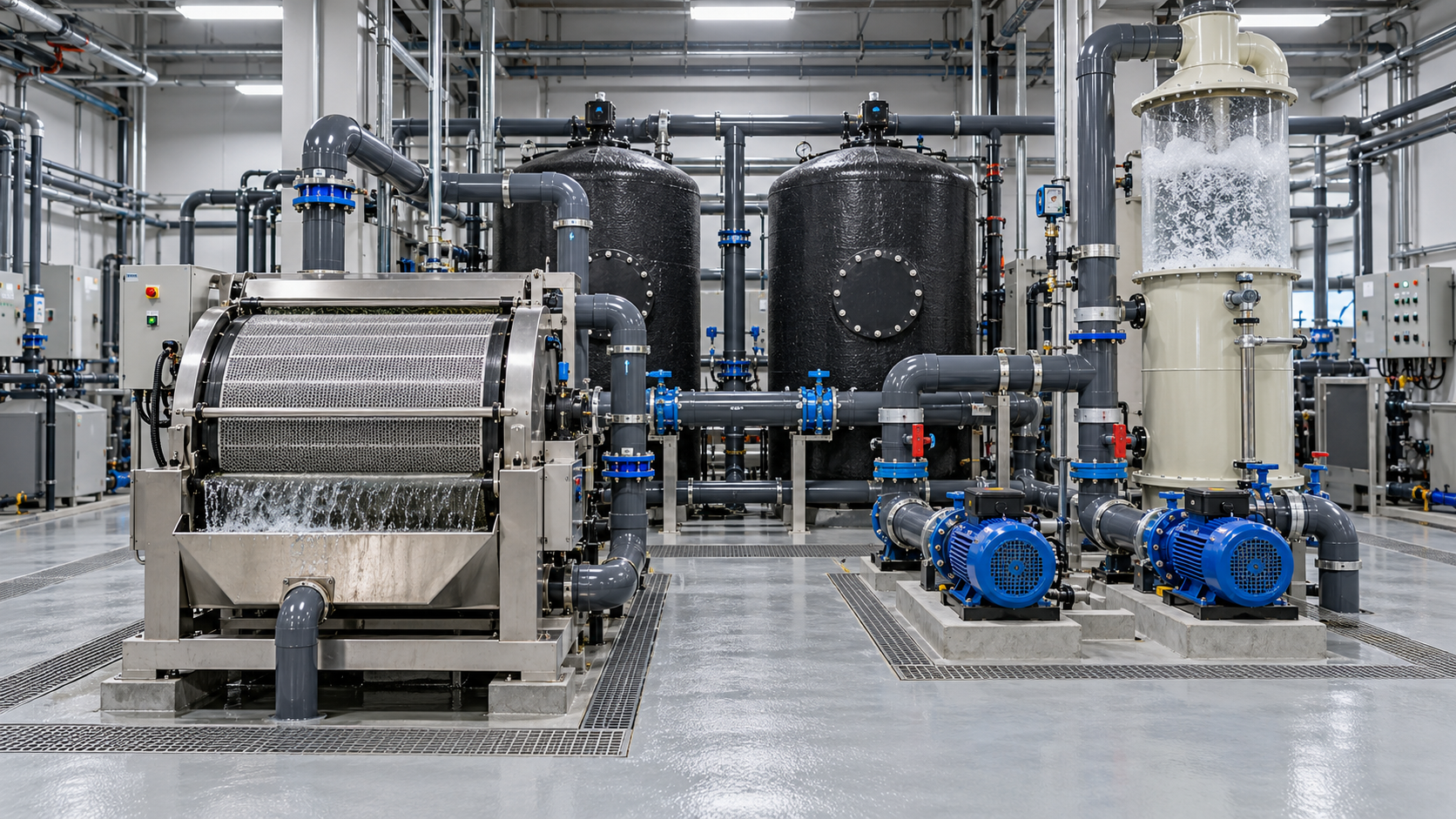
 Commercial Aquarium Life Support Systems: Sizing for Peak BioloadsOct 26, 2026Size commercial aquarium life support systems for peak bioloads. Learn how to match filtration, oxygen, flow, and backup capacity to real demands—and compare suppliers with confidence.
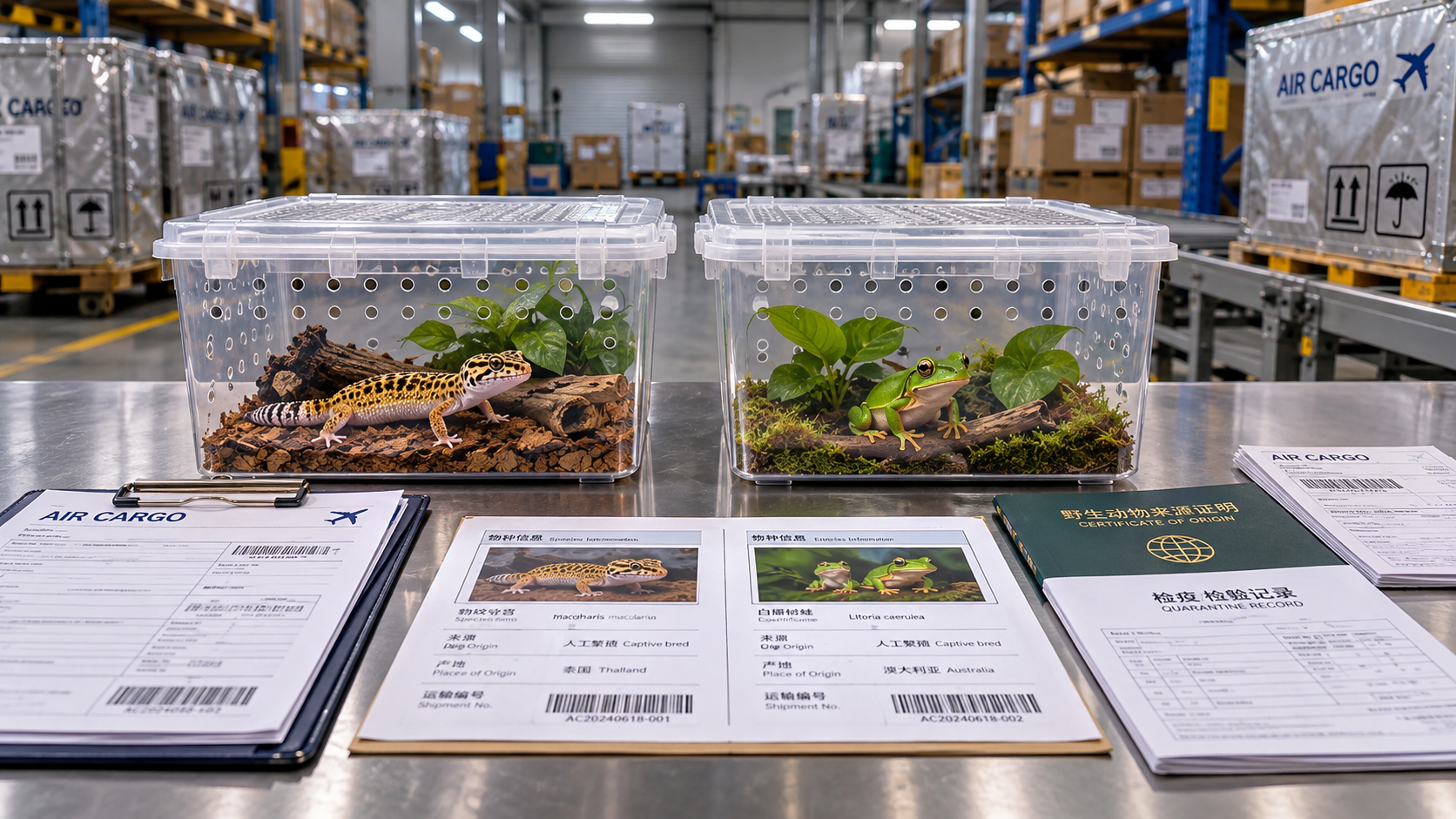
 Legal Gaps Expose Global Wildlife Supply Chains to Illegal Pet Trade RisksOct 26, 2026Wildlife supply chain gaps expose reptile and amphibian trade to illegal pet trafficking. Explore CITES compliance risks and practical checks to help protect your business.
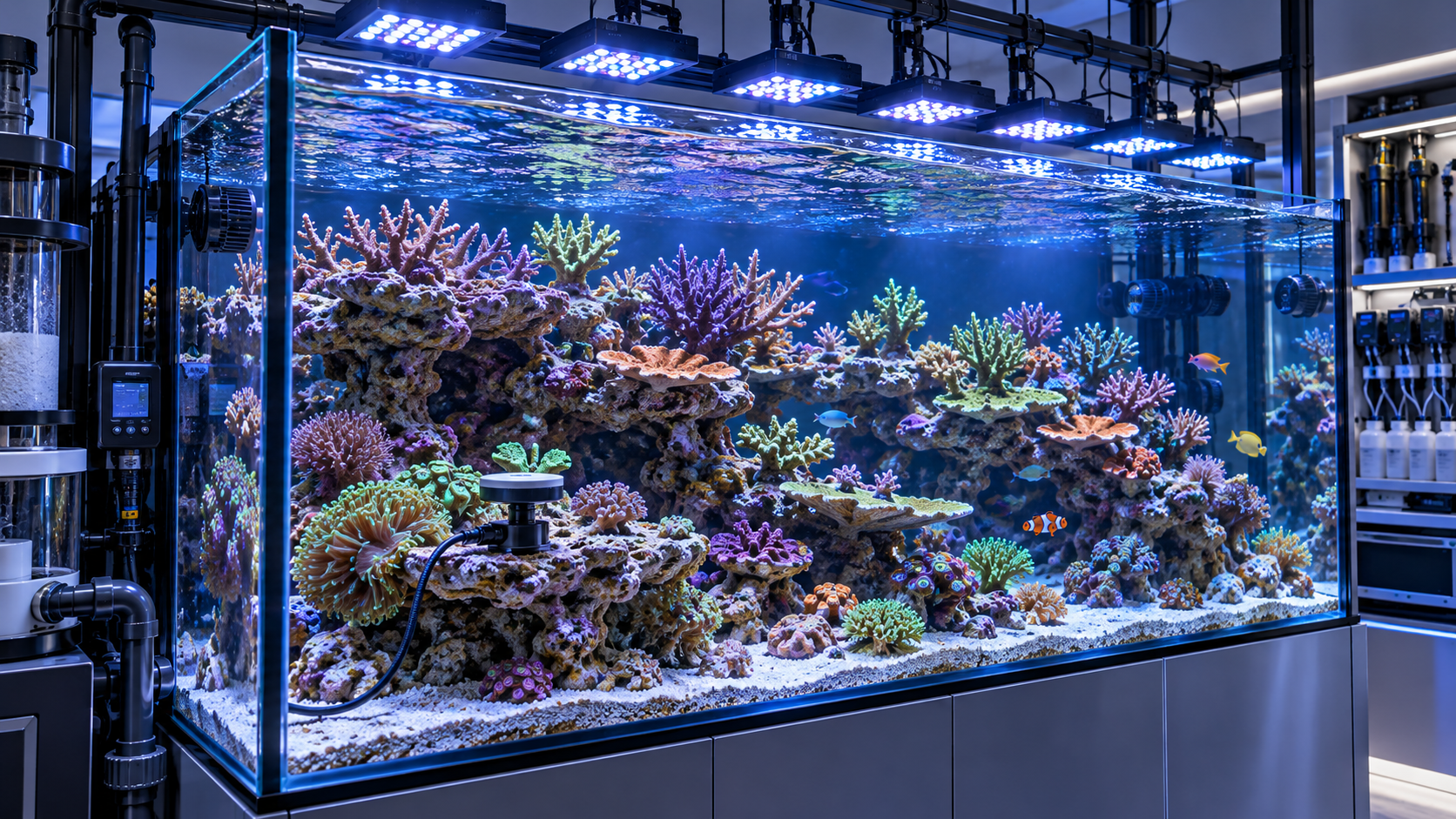
 Commercial Aquarium LED Lighting: Evaluating PAR and Coverage in Deep Reef TanksOct 25, 2026Compare commercial aquarium LED lighting with depth-specific PAR maps, spectrum, and coverage data. Discover how to reduce hotspots and choose the right layout for deep reef tanks.
Weekly Insights
Stay ahead with our curated technology reports delivered every Monday.